
Article
Engelskarte des Tages: So bauen Sie eine taegliche Ein-Karten-Praxis auf
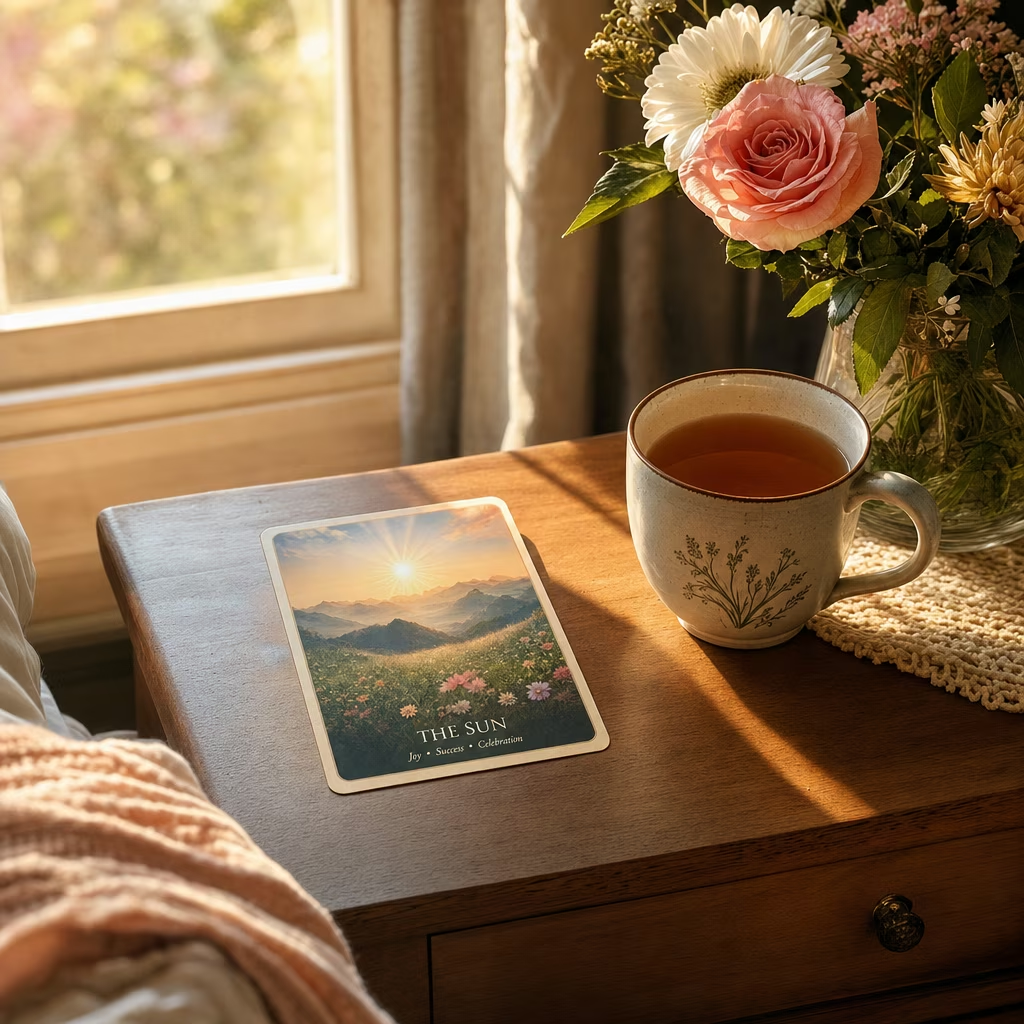
Manche der wirkungsvollsten Gewohnheiten sind die kleinsten. Eine einzige Karte, die jeden Morgen gezogen wird, ein paar Sekunden der Stille, bevor der Tag die Kontrolle uebernimmt, ein Moment, in dem Sie aufhoeren zu reagieren und anfangen wahrzunehmen. Das ist der Kern einer taeglichen Engelskarten-Praxis: kein grosses Ritual, sondern ein stiller Kontrollpunkt mit sich selbst.
Das Ja Nein Orakel macht dies einfach. Mit einem Deck von 44 originalen Engelskarten, jede mit einem bildhaften Namen und einer eigenen Energie, koennen Sie taeglich eine Karte ziehen und sie den Ton fuer alles setzen lassen, was vor Ihnen liegt. Keine komplexen Legesysteme, keine langen Interpretationen: eine Karte, eine Botschaft, eine Einladung aufmerksam zu sein.
Warum nur eine Karte pro Tag
Mehrkartenlegungen sind kraftvoll fuer tiefgehende Fragen. Aber eine taegliche Praxis braucht diese Tiefe nicht. Sie braucht Bestaendigkeit, Einfachheit und eine niedrige genug Huerden, damit Sie es tatsaechlich morgen tun, und uebermorgen.
Eine einzelne Engelskarte des Tages funktioniert, weil sie Ihnen genau eine Sache gibt, die Sie mitnehmen koennen. Nicht fuenf Botschaften, die um Ihre Aufmerksamkeit konkurrieren, nicht eine weitschweifige Erzaehlung, die zwanzig Minuten zum Entschluesseln braucht. Eine Karte. Ein Thema. Eine Linse, durch die Sie Ihren Tag beobachten.
Mit der Zeit summiert sich das. Sie beginnen Muster zu erkennen. Sie bemerken, welche Karten immer wieder erscheinen, welche Sie ueberraschen, gegen welche Sie Widerstand empfinden. Das taegliche Ziehen wird weniger zu einer Frage dessen, was die Karte sagt, und mehr zu einer Frage dessen, was Ihre Reaktion darauf verraet. Dort liegt die wahre Erkenntnis.

So ziehen Sie Ihre Engelskarte des Tages
Der Ablauf ist bewusst einfach gehalten. Waere er kompliziert, wuerden Sie ihn innerhalb einer Woche aufgeben.
Schritt 1: Waehlen Sie eine feste Zeit. Der Morgen funktioniert fuer die meisten Menschen am besten. Sie sind noch offen, noch nicht unter Aufgaben und Entscheidungen begraben. Aber wenn Ihnen der Abend besser passt, ist das auch voellig in Ordnung. Der Schluessel ist Bestaendigkeit, nicht die genaue Uhrzeit.
Schritt 2: Nehmen Sie einen Atemzug. Keine Meditationssitzung, nur ein bewusster Atemzug. Schliessen Sie die Augen, wenn Sie moechten. Es geht nicht darum, in Trance zu fallen, sondern fuer ein paar Sekunden im gegenwaertigen Moment anzukommen. Diese kleine Pause schafft eine Grenze zwischen Autopilot und Bewusstsein.
Schritt 3: Ziehen Sie eine Karte. Auf dem Ja Nein Orakel koennen Sie schnell eine einzelne Karte ziehen. Lassen Sie die Karte erscheinen, ohne zu viel nachzudenken. Mischen Sie nicht fuenfmal auf der Suche nach der "richtigen" Karte. Der erste Zug ist Ihr Zug.
Schritt 4: Lesen und loslassen. Lesen Sie den Namen der Karte, ihre Bedeutung, ihre Botschaft. Verweilen Sie dreissig Sekunden bei ihr. Dann lassen Sie sie los. Klammern Sie sich nicht an die Interpretation. Tragen Sie sie leicht durch Ihren Tag, wie ein Wort auf Ihrem Handruecken, auf das Sie ab und zu einen Blick werfen.
Wenn Sie neu im Umgang mit Orakelkarten sind und die Grundlagen des Ziehens und Lesens verstehen moechten, deckt der Anfaengerleitfaden fuer Engelskarten alles ab, was Sie fuer den Einstieg brauchen.
Die 44 Karten: Was dieses Deck besonders macht
Das Ja Nein Orakel verwendet ein Deck von 44 Originalkarten, jede mit einem bildhaften Namen, der auf eine universelle menschliche Erfahrung verweist. Namen wie Die Rose, Die Schwelle, Die Ernte oder Der Schild: sie gehoeren keiner einzelnen Tradition oder keinem Glaubenssystem an, was sie fuer jeden zugaenglich macht, unabhaengig vom Hintergrund.
Jede Karte traegt ihre eigene Energie und Botschaft. Manche sind warm und ermutigend. Andere sind herausfordernder und bitten Sie, etwas anzuschauen, das Sie vermieden haben. Eine taegliche Engelskarten-Praxis wird Sie im Laufe der Zeit mit allen 44 Karten vertraut machen, und Sie werden eine persoenliche Beziehung zum Deck entwickeln, die kein Leitfaden oder Artikel nachbilden kann.
Fuer einen tieferen Einblick in jede Karte und ihre Bedeutung ist die vollstaendige Liste der Engelskarten-Bedeutungen eine nuetzliche Referenz. Aber in einer taeglichen Praxis zaehlt Ihre instinktive Reaktion auf die Karte mehr als jede geschriebene Definition.
Deine kostenlose Orakel-Legung
Eine kostenlose Tageslegung, die in Worte fasst, was du schon fühlst.
Genutzt von 10k+ Nutzer weltweit
Was Sie mit Ihrer taeglichen Karte tun koennen
Das Ziehen der Karte ist nur die Haelfte der Praxis. Die andere Haelfte besteht darin zu beobachten, wie die Karte mit Ihrem Tag interagiert.
Lassen Sie sie eine Linse sein, kein Urteil. Wenn Sie eine Karte ueber Geduld ziehen, wird Ihnen nicht gesagt, dass Ihr Tag Geduld erfordern wird. Sie werden eingeladen zu bemerken, wo Geduld auftaucht, wo sie leicht ist, wo sie schwer ist, wo Sie sie nicht erwartet haben. Die Karte wird zu einem Filter, der Ihr Bewusstsein schaerft.
Verfolgen Sie Ihre Ziehungen. Eine einfache Notiz auf Ihrem Telefon, eine Zeile in einem Tagebuch, sogar ein mentales Lesezeichen. Nach ein paar Wochen werden Sie sehen, welche Themen wiederkehren. Drei Erscheinungen derselben Karte in zehn Tagen verdient Aufmerksamkeit. Es bedeutet nicht, dass das Universum Ihnen eine Nachricht sendet: es bedeutet, dass etwas in Ihnen weiterhin mit dieser bestimmten Energie resoniert.
Beachten Sie den Widerstand. An manchen Morgen werden Sie eine Karte ziehen und einen Anflug von Aerger oder Ablehnung spueren. Dieser Widerstand ist Information. Er bedeutet normalerweise, dass die Karte etwas beruehrt hat, das Sie lieber nicht untersuchen wuerden. Sie muessen sich nicht beim Fruehstueck in eine tiefenpsychologische Ausgrabung stuerzen, aber machen Sie sich eine Notiz. Widerstand ist der Wegweiser, der auf die Arbeit zeigt, die am meisten zaehlt.
Ziehen Sie nicht noch einmal. Das ist die wichtigste Regel. Wenn Ihnen die Karte nicht gefaellt, bleiben Sie bei ihr. Die Versuchung, erneut zu mischen und etwas Angenehmeres zu ziehen, macht den gesamten Zweck zunichte. Die taegliche Engelskarten-Praxis handelt von Ehrlichkeit, nicht von Komfort.
Die Gewohnheit aufbauen: Was wirklich funktioniert
Die Vorteile einer taeglichen Praxis zu kennen, reicht nicht aus, damit sie bleibt. Folgendes funktioniert.
Koppeln Sie sie an eine bestehende Gewohnheit. Ziehen Sie Ihre Karte direkt nach Ihrem Morgenkaffee, direkt bevor Sie Ihr Telefon pruefen, oder genau wenn Sie sich an Ihren Schreibtisch setzen. Ein neues Verhalten mit einem etablierten zu verknuepfen, ist der einfachste Weg, es automatisch zu machen.
Halten Sie es kurz. Eine taegliche Engelskarten-Ziehung sollte weniger als zwei Minuten dauern. Wenn Sie feststellen, dass Sie fuenfzehn Minuten damit verbringen, jede Nuance zu analysieren, machen Sie es zu kompliziert. Kuerze schuetzt Bestaendigkeit.
Verzeihen Sie die Luecken. Sie werden Tage verpassen. Vielleicht eine ganze Woche. Das ist in Ordnung. Die Praxis bricht nicht zusammen, weil Sie sie uebersprungen haben. Sie bricht zusammen, wenn Sie entscheiden, dass das Ueberspringen bedeutet, dass Sie gescheitert sind und genauso gut aufhoeren koennten. Ziehen Sie einfach eine Karte, wenn Sie das naechste Mal daran denken.
Lassen Sie die Praxis sich entwickeln. Nach ein paar Wochen taeglicher Ziehungen fuehlen Sie sich vielleicht bereit, tiefere Legungen und Legesysteme zu erkunden. Das Ja Nein Orakel bietet acht verschiedene Legearten an, von schnellen Einzelkarten-Ziehungen bis hin zu detaillierteren Mehrkarten-Legungen. Ihre taegliche Praxis ist ein Fundament, keine Obergrenze.
Tageskarte oder vollstaendige Legung: Wann Sie was verwenden
Ihre Engelskarte des Tages ist ein Check-in. Sie funktioniert am besten fuer die alltaegliche Textur des Lebens: die kleinen Entscheidungen, die Unterstroemung einer Stimmung, das Thema, das Sie diese Woche durchleben.
Eine vollstaendige Legung hingegen ist fuer Momente, in denen Sie mehr Struktur und Tiefe brauchen. Ein Scheideweg in einer Beziehung, eine Karriereentscheidung, die Sie wach haelt, eine Frage, die zu vielschichtig fuer eine einzelne Karte erscheint. Der vollstaendige Leitfaden zum Orakel erklaert die verschiedenen Legearten und wann jede Ihnen am besten dient.
Betrachten Sie die Tageskarte als Ihren morgendlichen Wetterbericht und die vollstaendige Legung als eine detaillierte Vorhersage fuer eine bestimmte Reise, die Sie planen. Beides ist nuetzlich. Sie dienen unterschiedlichen Zwecken.
Haeufig gestellte Fragen
Was ist eine Engelskarte des Tages?
Eine Engelskarte des Tages ist die Praxis, jeden Tag eine Karte aus einem Orakeldeck fuer persoenliche Reflexion und Orientierung zu ziehen. Beim Ja Nein Orakel ziehen Sie aus einem Deck von 44 Originalkarten mit bildhaften Namen, von denen jede ein einzigartiges Thema oder eine Botschaft bietet, die Sie durch Ihren Tag tragen koennen.
Wie lange dauert eine taegliche Engelskarten-Praxis?
Weniger als zwei Minuten. Das Ziehen selbst dauert Sekunden, und ein kurzer Moment der Reflexion ist alles, was Sie brauchen. Die Einfachheit ist es, die die Gewohnheit ueber Wochen und Monate tragfaehig macht.
Muss ich etwas ueber Orakelkarten wissen, um anzufangen?
Keine Vorerfahrung ist erforderlich. Eine taegliche Engelskarten-Praxis ist eine der zugaenglichsten Moeglichkeiten, mit Orakelkarten zu arbeiten. Jede Karte kommt mit ihrer eigenen Interpretation, sodass Sie keine Bedeutungen auswendig lernen muessen, bevor Sie beginnen.
Kann ich mehr als eine Karte pro Tag ziehen?
Das koennen Sie, aber die Praxis funktioniert am besten mit einer einzelnen Karte. Mehrere Karten zu ziehen, verwaessert den Fokus und verwandelt einen taeglichen Check-in in eine vollstaendige Legung. Wenn Sie eine tiefere Sitzung wuenschen, ziehen Sie in Betracht, eines der acht speziellen Legesysteme auf der Plattform zu nutzen.
Was ist, wenn ich immer wieder dieselbe Karte ziehe?
Wiederkehrende Karten verdienen Aufmerksamkeit. Sie weisen in der Regel auf ein Thema oder eine Lektion hin, die gerade in Ihrem Leben aktiv ist. Anstatt die Wiederholung abzutun, nehmen Sie sie als Einladung, genauer hinzuschauen, was diese Karte fuer Sie bedeutet.